Dirty Business
Whitstable CommunityAd Magazine interview
Firstly, for anyone who hasn’t yet, why is Dirty Business a must-watch documentary?
Dirty Business is a difficult viewing at times, but it’s essential. It pulls back the curtain on how decades of under-investment, weak regulation, and corporate decision-making have allowed sewage pollution to become normalised in our rivers and seas. What makes it so powerful is that it doesn’t just present statistics — it shows the human cost: families affected by illness, communities losing safe bathing waters, and local environments quietly degraded.
Writer and director Joseph Bullman tells the story with clarity and compassion, helping viewers understand how we got here and, crucially, that this situation isn’t inevitable. It reminds us that clean water is a basic right, not a luxury, and that accountability matters. It’s such an emotive watch.
SOS Whitstable were involved in the project – can you tell us more about that?
As a local community group, SOS Whitstable has been campaigning for years about sewage discharges affecting Kent, Sussex and Hampshire. We work with swimmers, residents, businesses and environmental groups to document pollution events, raise awareness, and press for better transparency and infrastructure from the companies responsible.
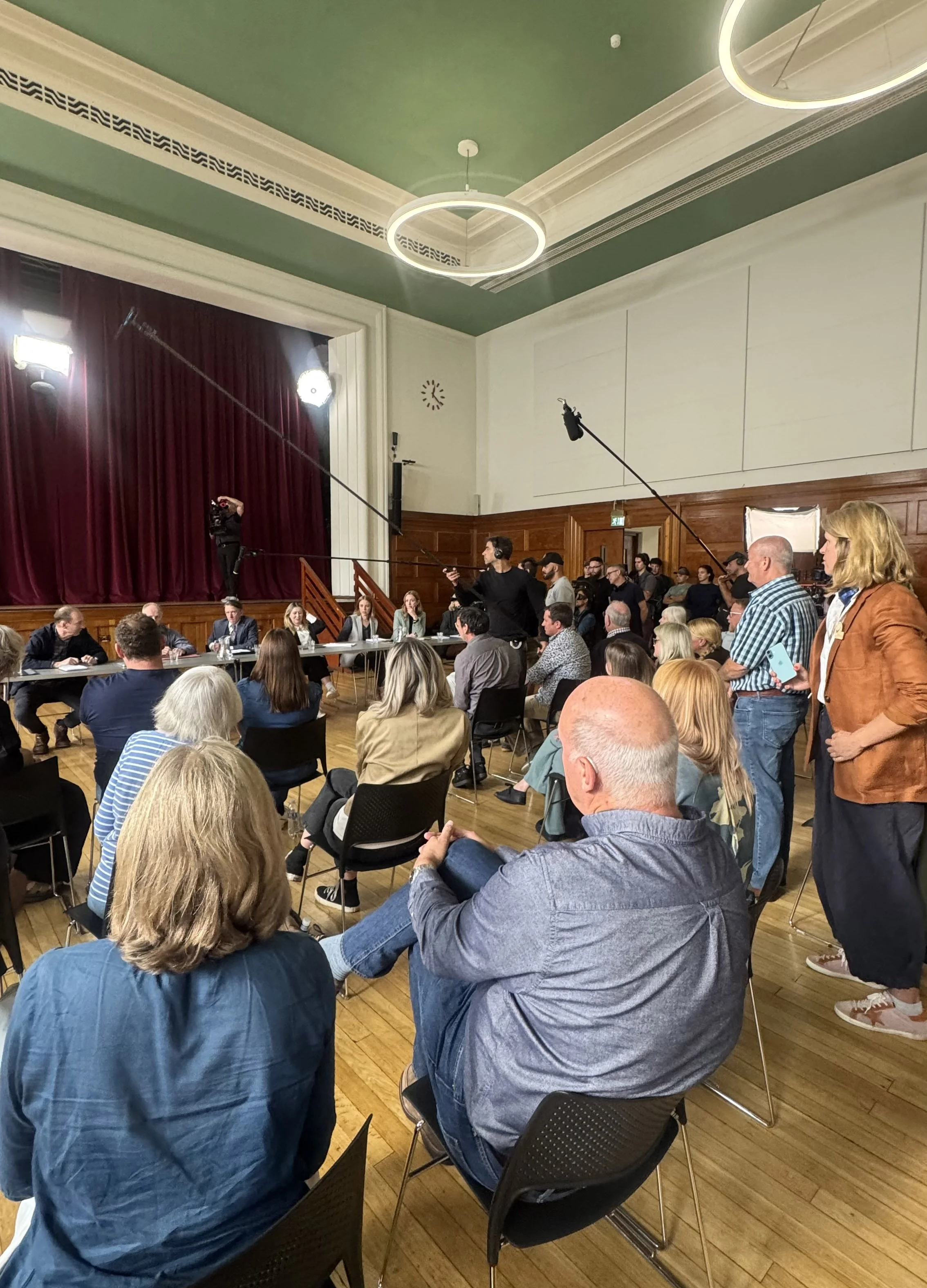
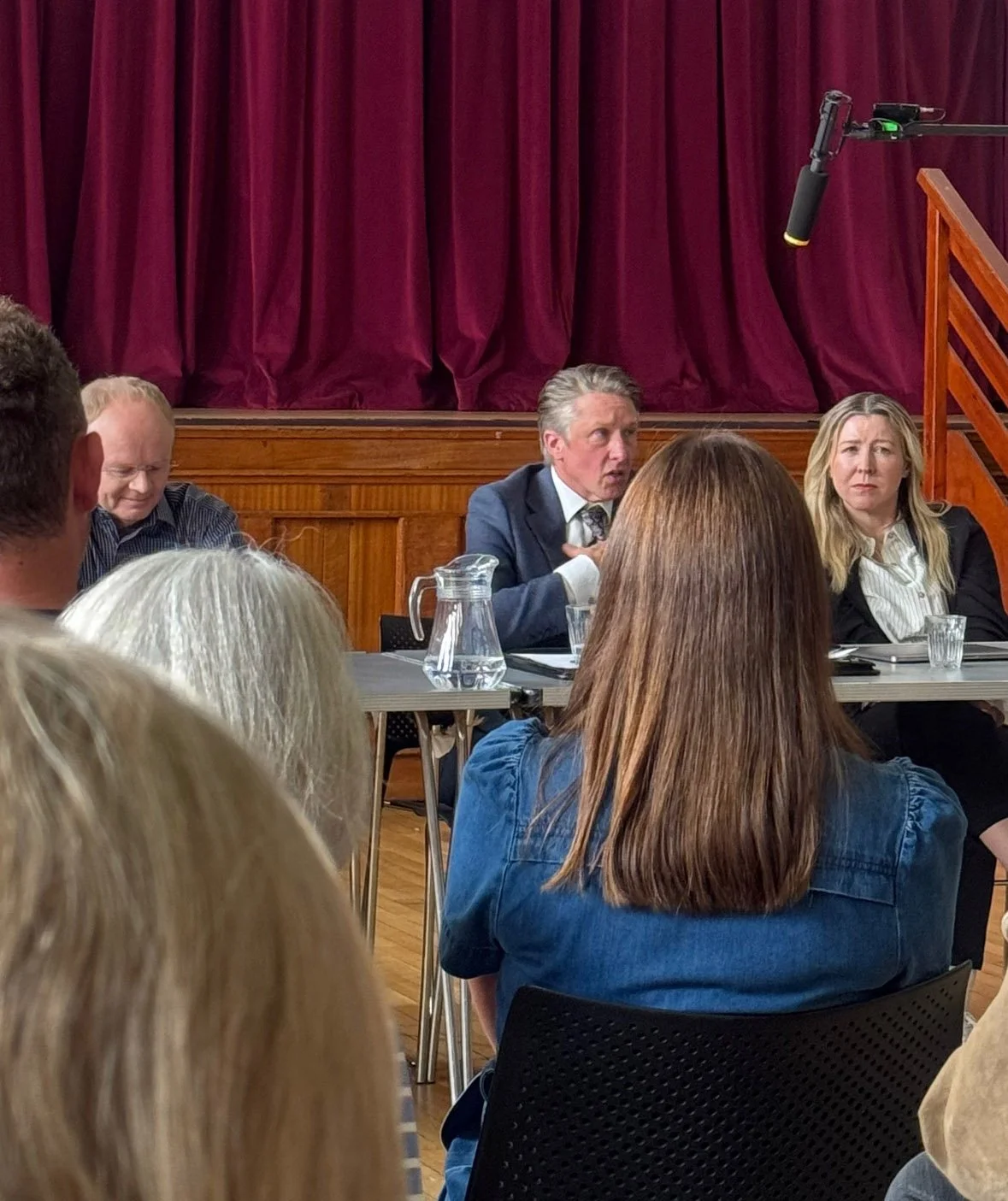
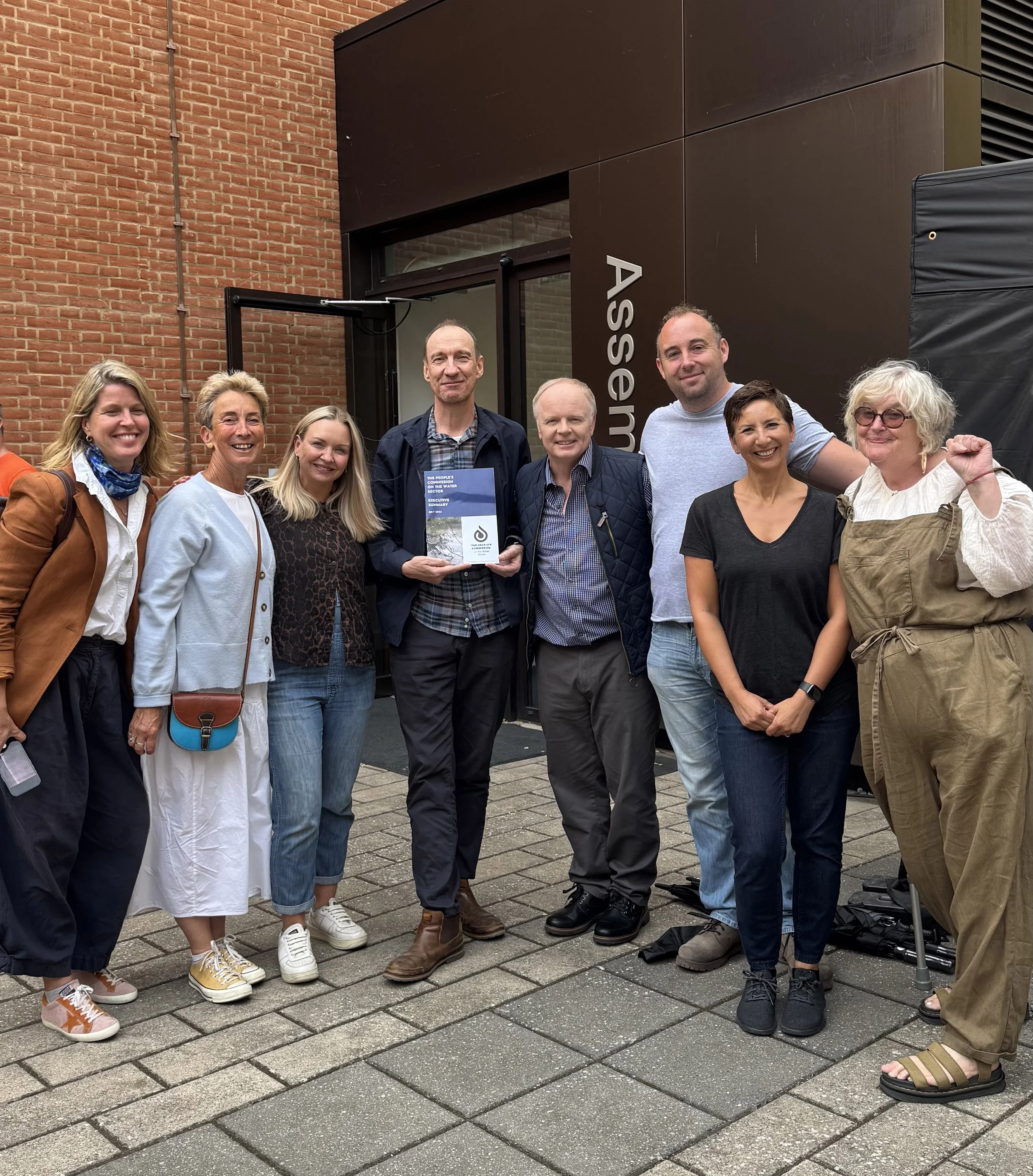
During filming, the production team spoke with members of our group about what we’ve witnessed on the ground: beach closures, health concerns, and the emotional toll of seeing a place we love repeatedly polluted. We shared local data, personal stories, and the wider impact on our town. Our role was simply to represent the community’s voice — ordinary people trying to protect their environment. You’ll see our footage in the programme and a few of the team are in episode two.
We have the pleasure to work closely with Windrush Against Sewage Pollution (WASP) and are part of The Sewage Campaign Network.
We’re grateful the documentary highlighted grassroots groups like ours, because real change often starts locally.
How would you advise those who have seen the documentary and are now wondering what to do?
The most important thing is not to feel powerless. There are practical steps everyone can take.
First, stay informed. Give us a follow for updates, we are on Instagram, Facebook, and X and use tools like Rivers and Seas Watch which people can check to see if releases have been made.
Second, speak up. Write to your MP, local councillors, and water companies. Report pollution. Public pressure really does make a difference — we’ve already seen increased monitoring and media attention because people refused to stay quiet.
Third, get involved locally. Join a protest, sign petitions, take part in beach cleans, contribute to citizen science projects, or support local campaign groups like us. There’s something incredibly empowering about working alongside neighbours who care just as much as you do — and collective voices carry far further than individual complaints. As a group, we are also calling for water services to be returned to public ownership, so that decisions about our seas and rivers prioritise public health and environmental protection over shareholder profit. Real, lasting change will come from both grassroots action and systemic reform.
Lastly, is there anything else you’d like to add?
Whitstable’s sea is at the heart of our community — for swimming, fishing, sailing, and simple everyday joy. Protecting it isn’t just an environmental issue; it’s about health, heritage, and future generations.
If Dirty Business leaves viewers feeling angry or upset, we’d say: that’s understandable — and useful. Channel that feeling into action. Change has always started with people who care enough to get involved.
We’d love to hear from anyone who wants to help or support us. The more of us there are, the stronger our voice becomes — and the closer we get to clean, safe rivers and seas for everyone.